
FRIEDMAN, MARTY tokyo jukebox 2 YICQ-10073
Please see Online Shop for current stock availability
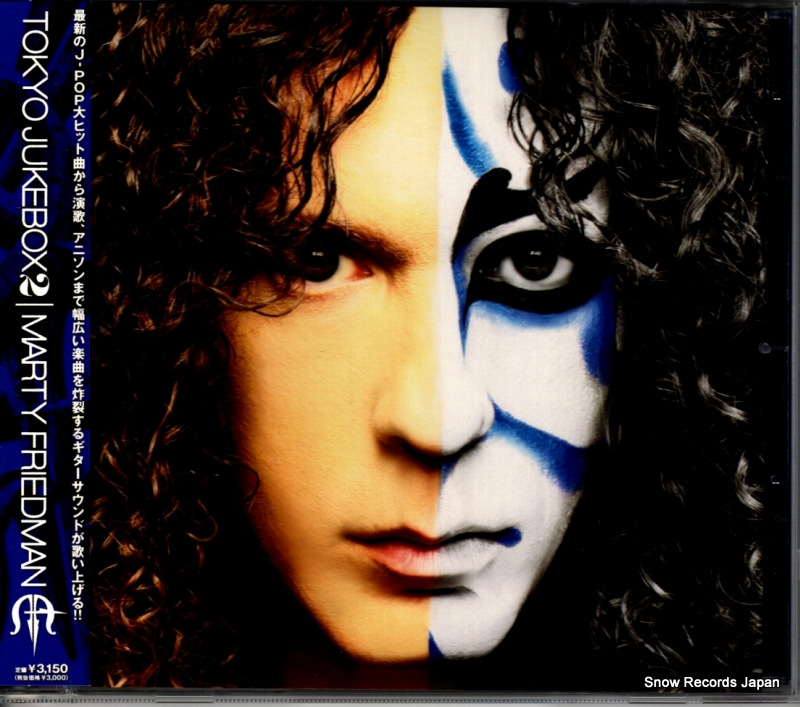

Artist = FRIEDMAN, MARTY
Title = tokyo jukebox 2
Label = HPQ/AVEX
Catalog# = YICQ-10073
Barcode = 4542114100734
Release = JAPAN
Year = 2011
RPM =
Disc Size = 5"
Number of Discs = 1
Mono/Stereo = stereo
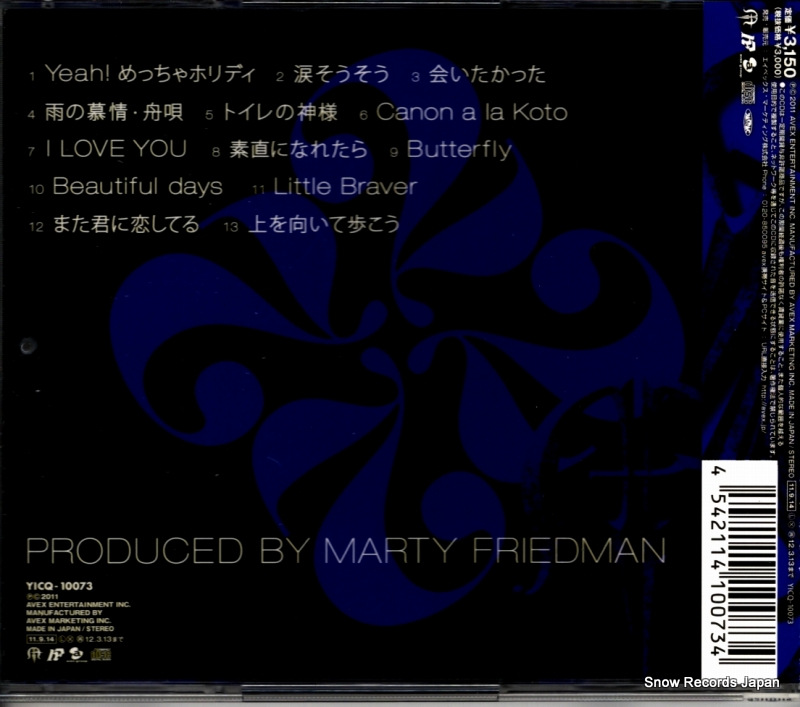
13trk, the second volume of marty friedman's series of instrumental covers of popular japanese songs (j-pop/j-rock). it features his unique blend of shred guitar and melodic sensibility applied to various chart hits.
*Search FRIEDMAN, MARTY on Online Shop
*Search FRIEDMAN, MARTY on Blog
* Search FRIEDMAN, MARTY on YouTube


1 comment
J-Pop Goes Metal: Marty Friedman’s ‘Tokyo Jukebox 2’ (YICQ-10073)
Today’s entry features the second installment in a unique cover series by guitar virtuoso Marty Friedman. This is “Tokyo Jukebox 2,” released in Japan on September 14, 2011, via the HPQ/Avex label with the catalog number YICQ-10073. This particular copy includes the original obi strip.
Following his departure from Megadeth, Friedman famously relocated to Japan, becoming a prominent TV personality and J-Pop commentator. This album continues the concept of his successful first “Tokyo Jukebox,” seeing the guitarist interpret popular Japanese songs through his signature heavy metal lens.
The album showcases Friedman’s deep appreciation for Japanese melody—specifically the emotive “kobushi” style—applying his aggressive yet expressive technique to a wildly eclectic tracklist. He transforms songs across various genres into instrumental hard rock anthems. The selection includes high-energy idol pop like Aya Matsuura’s “Yeah! Meccha Holiday” and AKB48’s “Aitakatta,” alongside soulful Enka classics by Aki Yashiro (“Ame No Bojo ~ Funa Uta”), and modern ballads like “Toire No Kamisama.”
YICQ-10073 is a fascinating listen, proving that heavy metal guitar can find common ground with J-Pop hits. This release features two significant bonus tracks: “Mata Kimi Ni Koishi Teru” and the internationally beloved classic “Sukiyaki” (Ue o Muite Arukō), providing a perfect, melodic close to the album. The CD originally came with a 12-page booklet.